Make the main message clear
Say what the person needs to know first. Do not hide the main point in a long paragraph.

Communication is access
People cannot take part if information is unclear, rushed, too complex, or only available in one format. This module helps you make communication clearer, more respectful, and easier to use.
Communication is part of accessibility.
People cannot take part if they cannot understand what is being asked, what choices they have, what support is available, or what happens next.
Clear communication helps people understand information, make decisions, ask questions, use services, and participate with confidence.
When communication is unclear, the problem is not the person. The barrier is in the message, format, process, timing, or support pathway.
Respectful communication means people are treated with dignity.
It means using adult, non-patronising language, allowing time to respond, asking what support would help, offering information in another format, and checking understanding without shame.
Respectful communication does not blame people for misunderstanding. It looks at how the message, format or process could be improved.
Plain language means writing and speaking so people can understand and use information more easily.
Say what the person needs to know first. Do not hide the main point in a long paragraph.
Use everyday words where possible. If you must use a technical word, explain it.
Short sentences reduce cognitive load and make information easier to follow.
Break information into small sections. Do not give too much information at once.
Tell people what to do next, when to do it, and who to contact for support.
Make it clear that people can ask for Easy Read, captions, transcript, Auslan, audio, AAC or other support.
Accessible communication is not only about simpler words. It also means offering information in formats people can use.
Short sentences, clear layout, pictures or symbols, and one idea at a time.
Captions support video access. Transcripts support people who prefer or need text.
Auslan can support Deaf Auslan users and should be considered for key information and public-facing communication.
AAC means augmentative and alternative communication, including communication devices, boards, symbols, cards and supported communication.
Diagrams, checklists and step-by-step visuals can make processes easier to follow.
Some people may need extra time, a support person, or another way to respond.
Rewriting a message can reduce barriers quickly.
| Original message | Improved message |
|---|---|
| “Participants are required to complete all documentation prior to attendance.” | “Please fill in the form before you come.” |
| “Failure to comply with the process may result in delayed service provision.” | “If the form is missing information, your support may take longer. Contact us if you need help.” |
| “Requests for alternative formats should be submitted through the appropriate channel.” | “You can ask for this information in another format. Email accessibility@edulinked.com.au.” |
People learn in different ways. You can choose the format that works best for you.
Use this video if you prefer spoken or visual information.
This video is hosted by an external provider. If you cannot access it, contact EduLinked and ask for the information in another format.
Use the Australian Government Style Manual plain-language guidance to support clear public communication.
Open plain-language guideRead an EduLinked resource about different ways people communicate.
Open internal readingUse this checklist to review whether a message is clear, respectful and easy to act on.
Use this worksheet to rewrite one unclear message into clearer communication.
You can ask for this information in another format or ask for support to take part.
Some resources are hosted by external providers. If you cannot access a resource, contact EduLinked and ask for the information in another format.
This page gives the main ideas from Module 2.
Communication means sharing information.
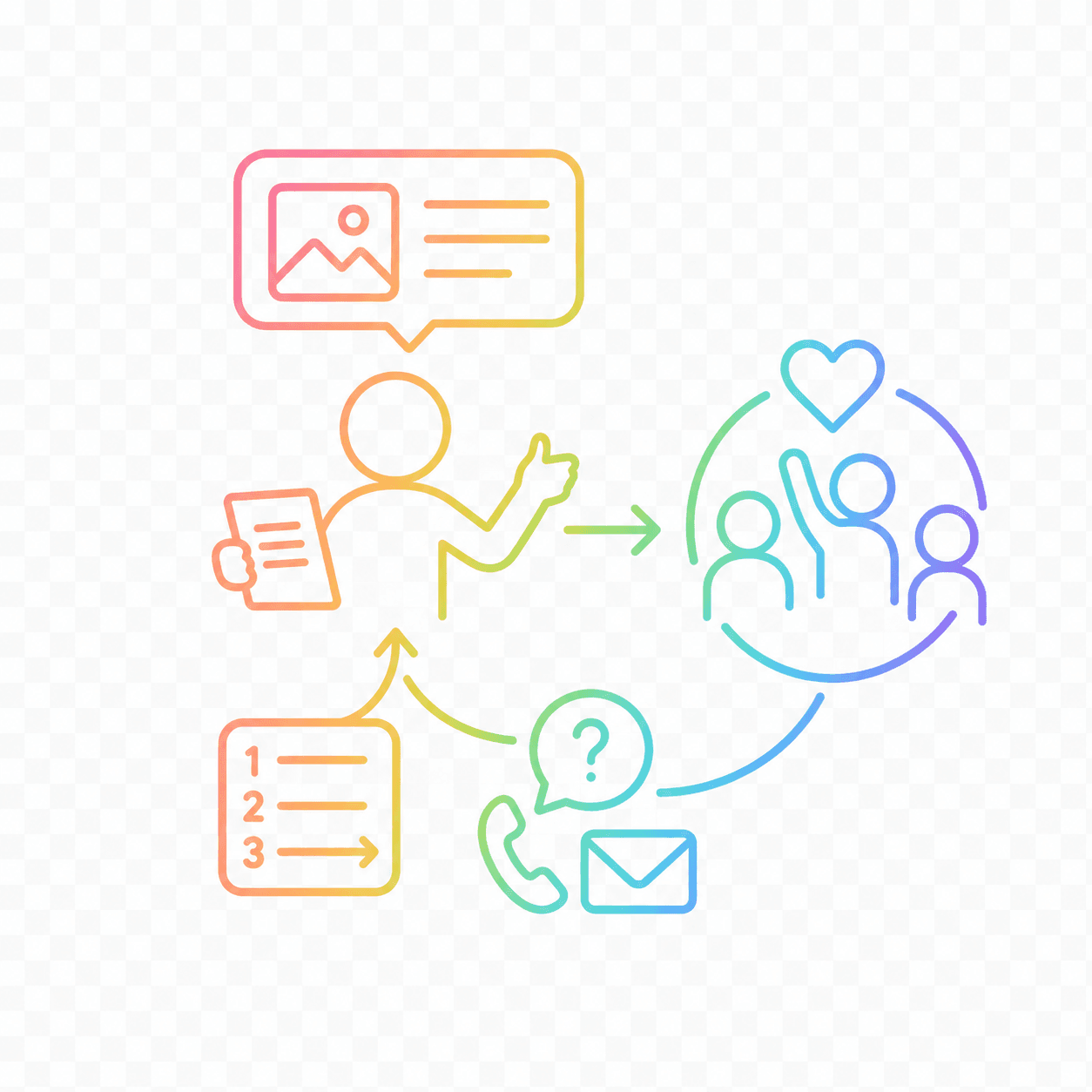
People need clear information.
People need to know what to do next.
People need to know how to ask for support.
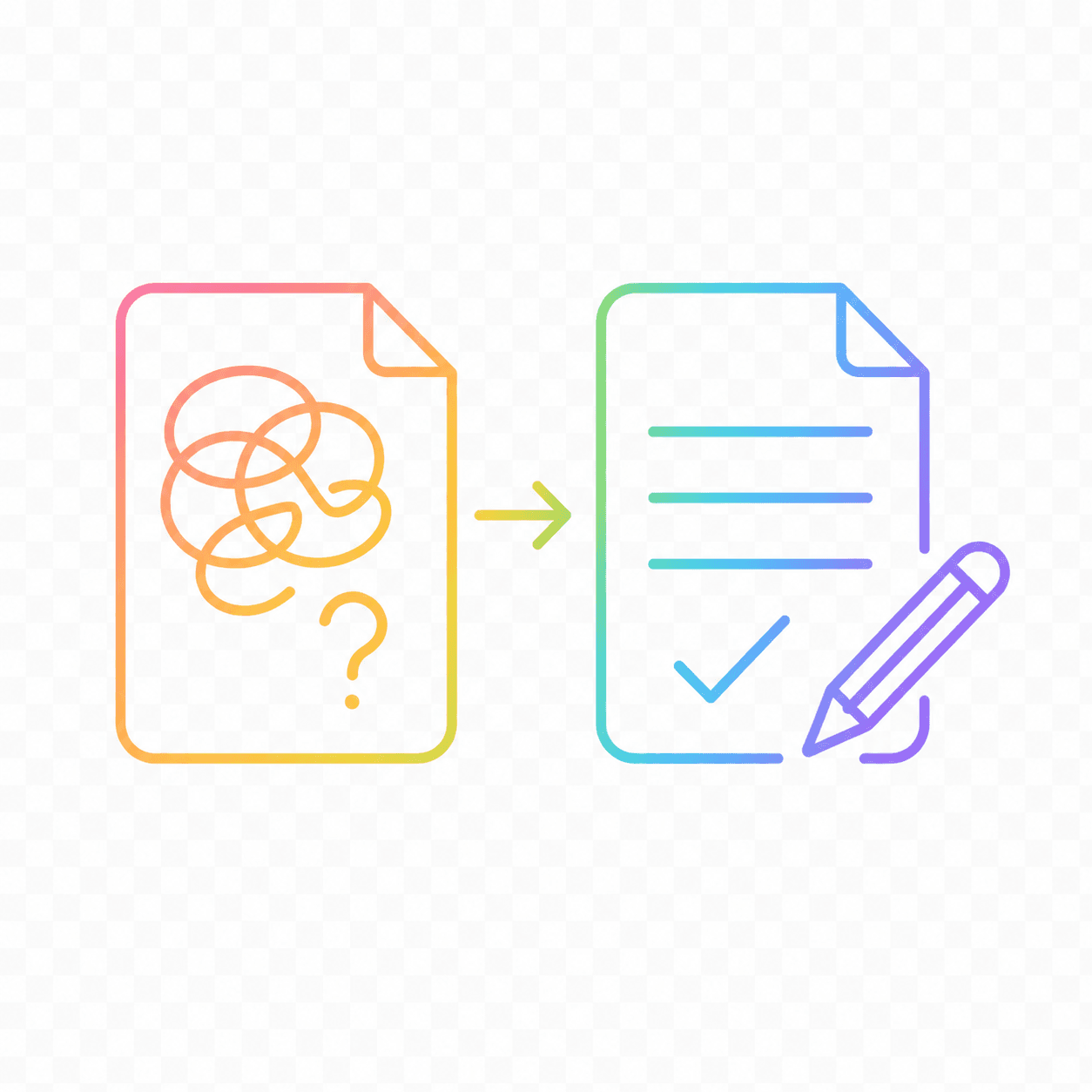
Plain language means clear words.
Plain language uses short sentences.
Plain language tells people what to do next.
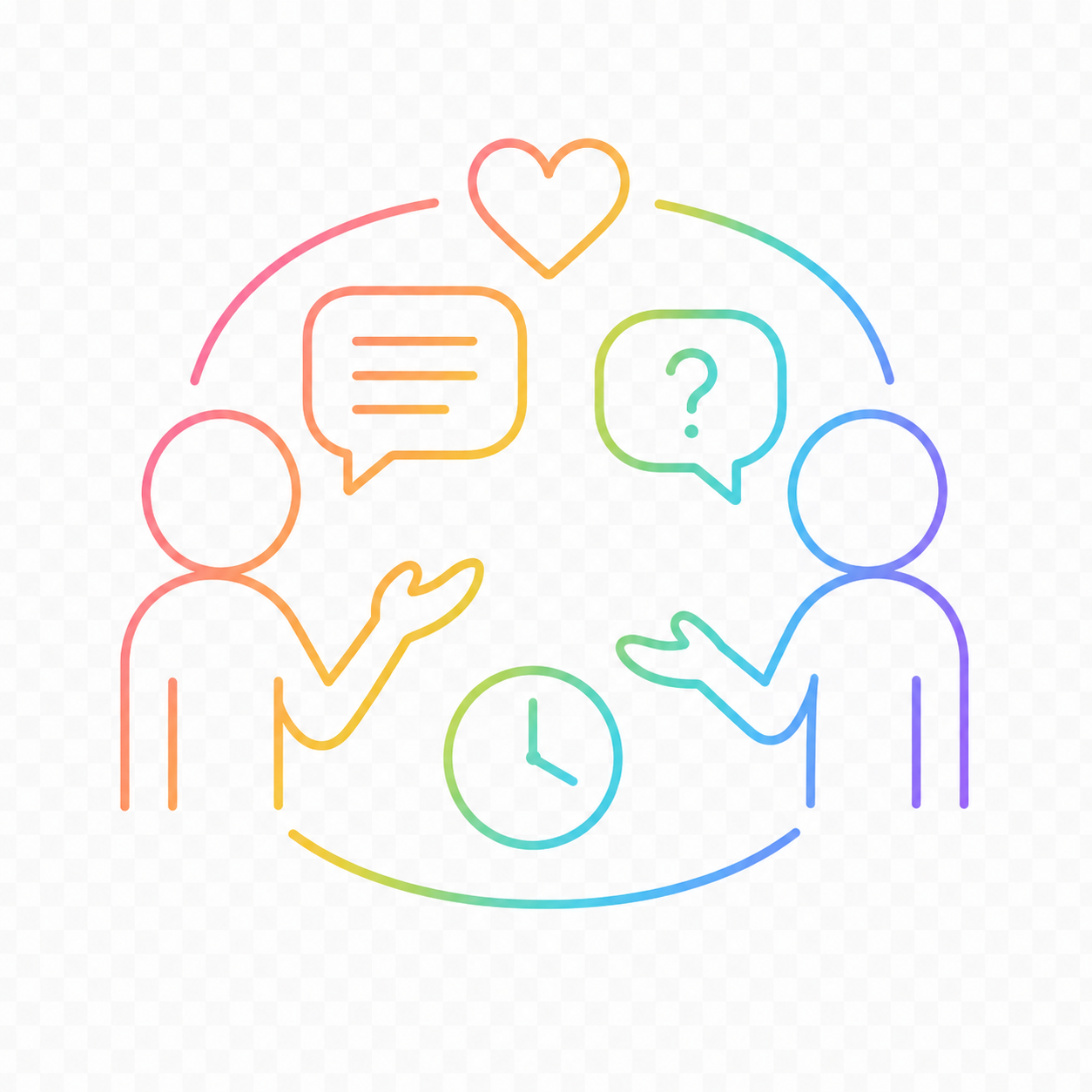
Respectful communication means people are not rushed.
People can ask questions.
People are not blamed if information is hard to understand.
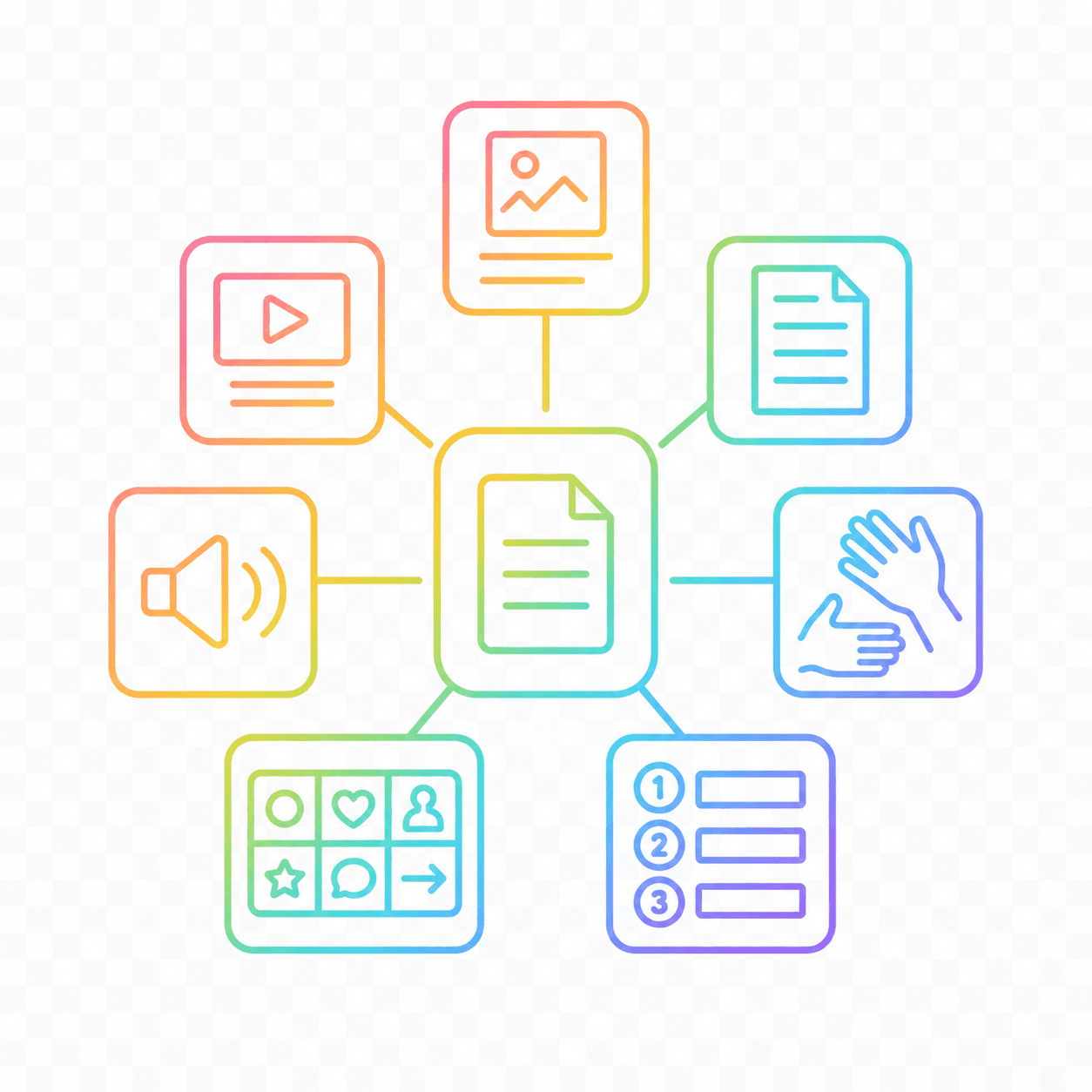
Some people need information in another way.
This could include:
You can ask for this information in another format.
You can also ask for support to take part.
After reading this page, continue to the Module 2 activity. You will rewrite one message so it is clearer, more respectful and easier to use.