Amplify Youth

Accessibility

Accessibility is part of how Amplify Youth is designed, communicated and delivered. Young people can participate in different ways, use different forms of communication and choose creative roles that work for them.
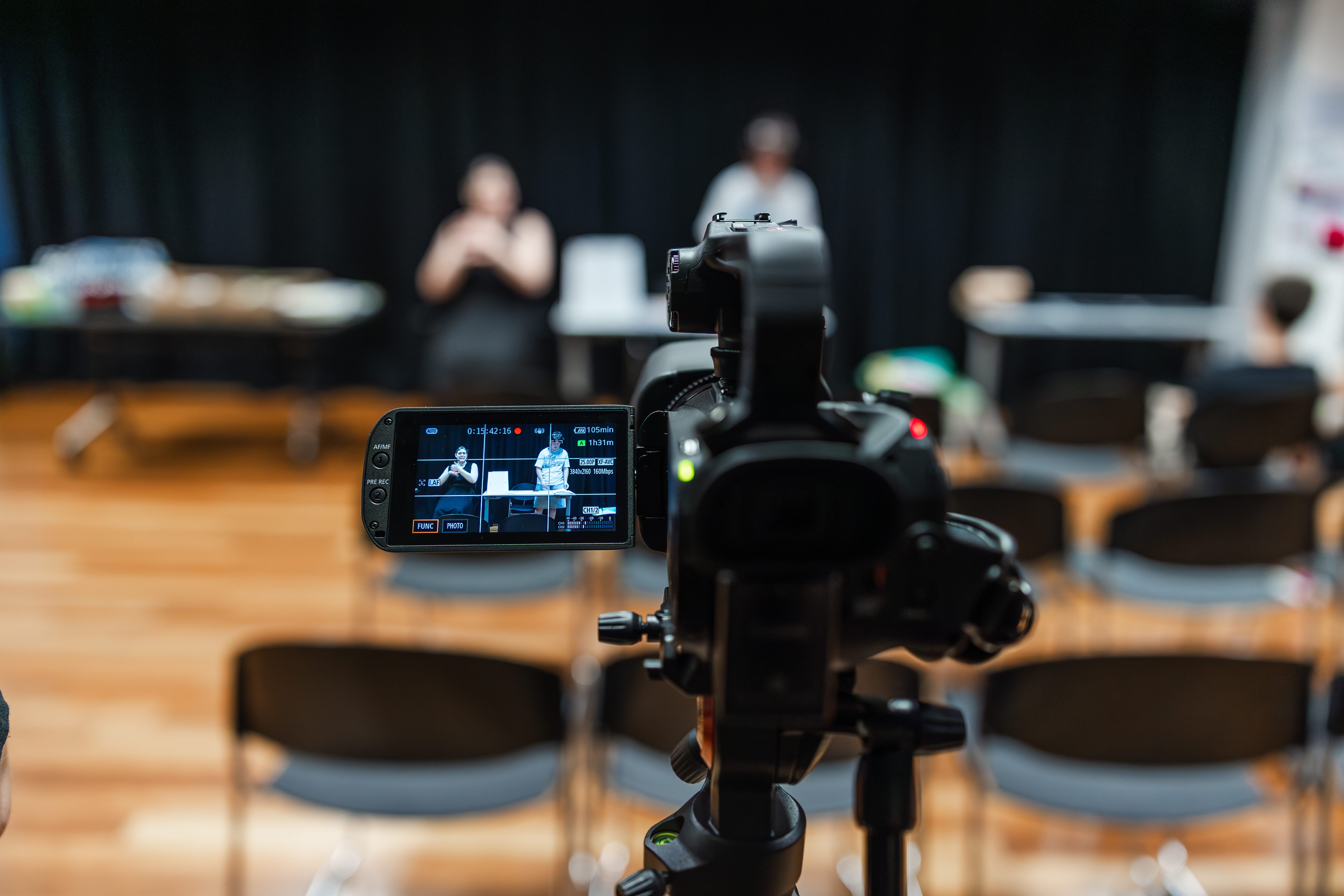
Amplify Youth participants taking part in a filming activity.
Amplify Youth uses practical media activities with flexible ways for young people to participate.

You Choose How You Participate

There is no single right way to take part in Amplify Youth.

You do not have to perform to participate.

Participants do not need previous media experience. You do not have to appear on camera, speak in front of a group, perform publicly or share a personal story.

Depending on the activity, you may choose to take part through:

  • storytelling;
  • filming;
  • video editing;
  • captioning;
  • planning;
  • interviewing;
  • drawing;
  • writing;
  • zine-making;
  • reflection; or
  • behind-the-scenes creative roles.

Access Is Built Into the Program

We design activities around communication choice, predictable information, sensory awareness and flexible participation.

Communication Access

Participation does not rely only on spoken communication or written answers.

  • Plain-language information
  • Visual supports
  • AAC-friendly communication
  • Different ways to respond and contribute
  • Supported communication where needed

Sensory-Aware Participation

Workshop delivery is designed to recognise that people may have different sensory and regulation needs.

  • Clear routines
  • Flexible pacing
  • Participant choice
  • Quiet and regulation-aware approaches
  • Flexible creative roles

Deaf & Hard-of-Hearing Access

Deaf access is considered in project information, media and community-facing activities.

  • Caption-aware media workflows
  • Auslan-supported information where available
  • Auslan interpreting for relevant activities
  • Visual communication approaches

Support & Participation Choice

Young people can participate with the support and communication approaches that help them take part.
  • Support workers welcomed
  • Carer and access support
  • Flexible ways to join activities
  • No requirement to appear on camera
  • No requirement to speak to a group
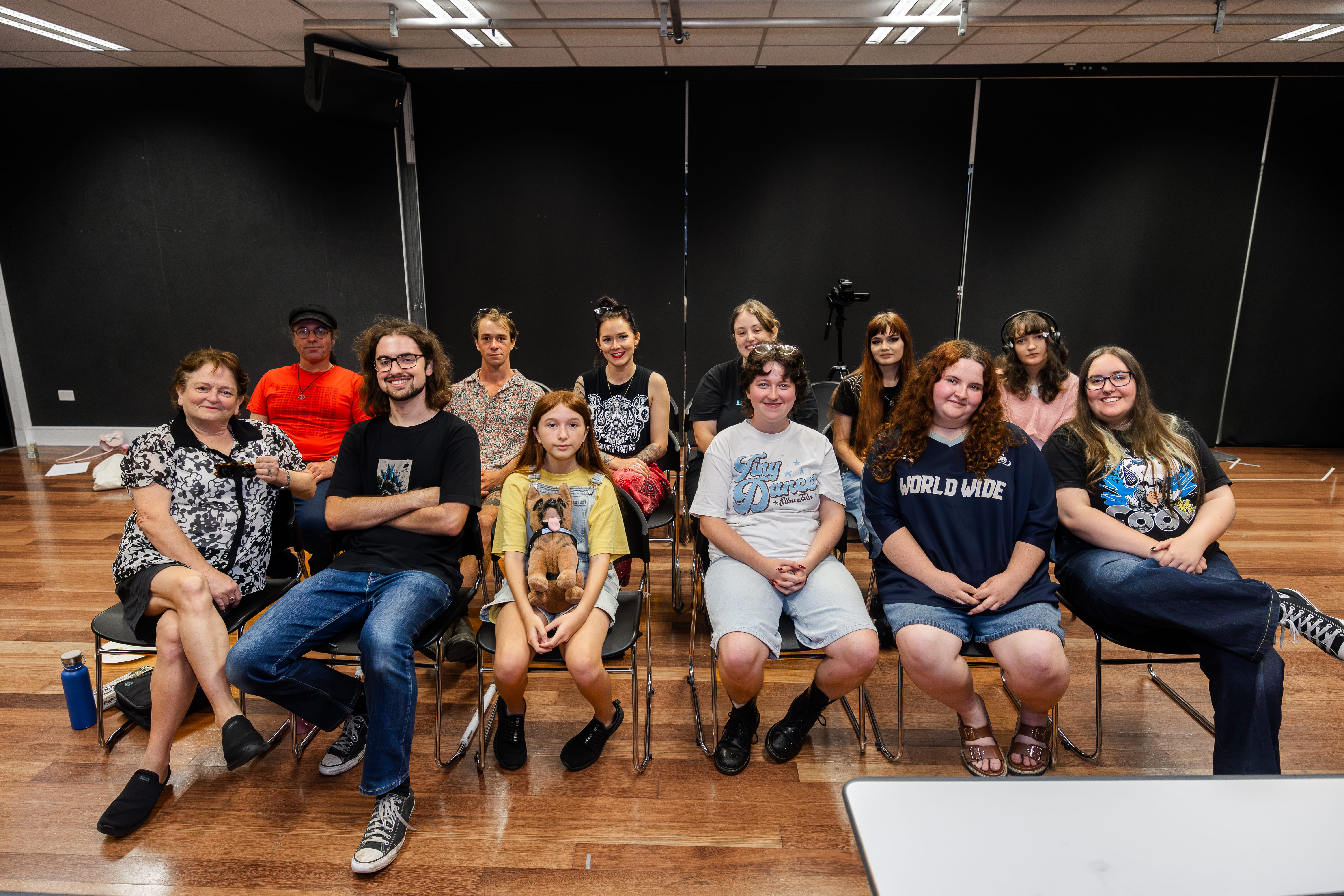
Amplify Youth participants working together during a workshop.
Activities can be collaborative while still allowing different ways of participating.

Access Delivered in Practice

Amplify Youth has already used a range of accessibility approaches in project activities.

  • Easy Read and visual materials
  • AAC-friendly prompts
  • Flexible participation
  • Auslan interpretation
  • Support workers in the room
  • Low-bandwidth options
  • Caption-aware workflows
  • Visual supports
  • Sensory and regulation-aware approaches

Accessible Media & Consent

Being part of a media project does not automatically mean agreeing to be photographed, filmed or publicly identified.

Website & Digital Accessibility

We also build accessibility into Amplify Youth webpages and digital information.

  • We use semantic HTML and logical heading structures.
  • Essential information is provided as real text rather than being communicated only through images.
  • Images that communicate information receive meaningful text alternatives.
  • Decorative images can use empty alternative text so they do not create unnecessary screen-reader noise.
  • Interactive elements are designed for keyboard use and visible keyboard focus.
  • Pages are designed to reflow at smaller screen sizes and when text is enlarged.
  • Content does not rely only on colour, position or size to communicate meaning.
  • Layouts avoid fixed content heights that can clip enlarged or re-spaced text.
  • High-contrast and forced-colour environments are supported.
  • Unnecessary animation is avoided, with reduced-motion preferences supported where motion is used.
  • Pages are designed to remain understandable when printed or saved as PDF.
  • ARIA is used only where native HTML does not already provide the required accessible relationship or behaviour.

Additional Communication Formats

Alternative formats add communication options. They do not replace the need for an accessible primary webpage.

Easy Read

Easy Read resources use plain language, clear structure and visual support to make important project information easier to understand.

Easy Read resources are collected on the dedicated Amplify Youth Easy Read page.

Auslan

Auslan-supported information can be used for relevant project information and community-facing activities.

Where an Auslan video is provided, the page should also include a linked text transcript.

Need an Access Adjustment?

If you are interested in Amplify Youth and there is something that would make it easier for you to participate, you can contact EduLinked to discuss access.

Email founder@edulinked.com.au