
Inclusion should lead somewhere. This is where it led.
Inclusion that builds real economic opportunity
Amplify Youth — Impact & Outcomes
Our impact in one sentence: disabled and neurodivergent artists didn't just get invited into the room — they left it paid. Their skills were recognised, their voices heard and their contribution fairly valued through paid, credited creative work in media and storytelling. These are the recorded outcomes.
Our impact, in numbers
artists received paid work
of the 6 paid artists were neurodivergent
average artist fee · paid hours created
These results are from one Amplify Youth event, not all Amplify Youth events.
Inclusion is more than participation
The impact: what actually changed for the people involved
Inclusion only counts when it creates opportunity. This page shows what changed for the disabled and neurodivergent people Amplify Youth was built for — measured, not claimed.
Where skills are recognised
Artists were engaged and paid for their craft — 6 artists received paid work, with $450 average artist fees across 14 paid hours of creative production, all from one Amplify Youth event.
Where voice is heard
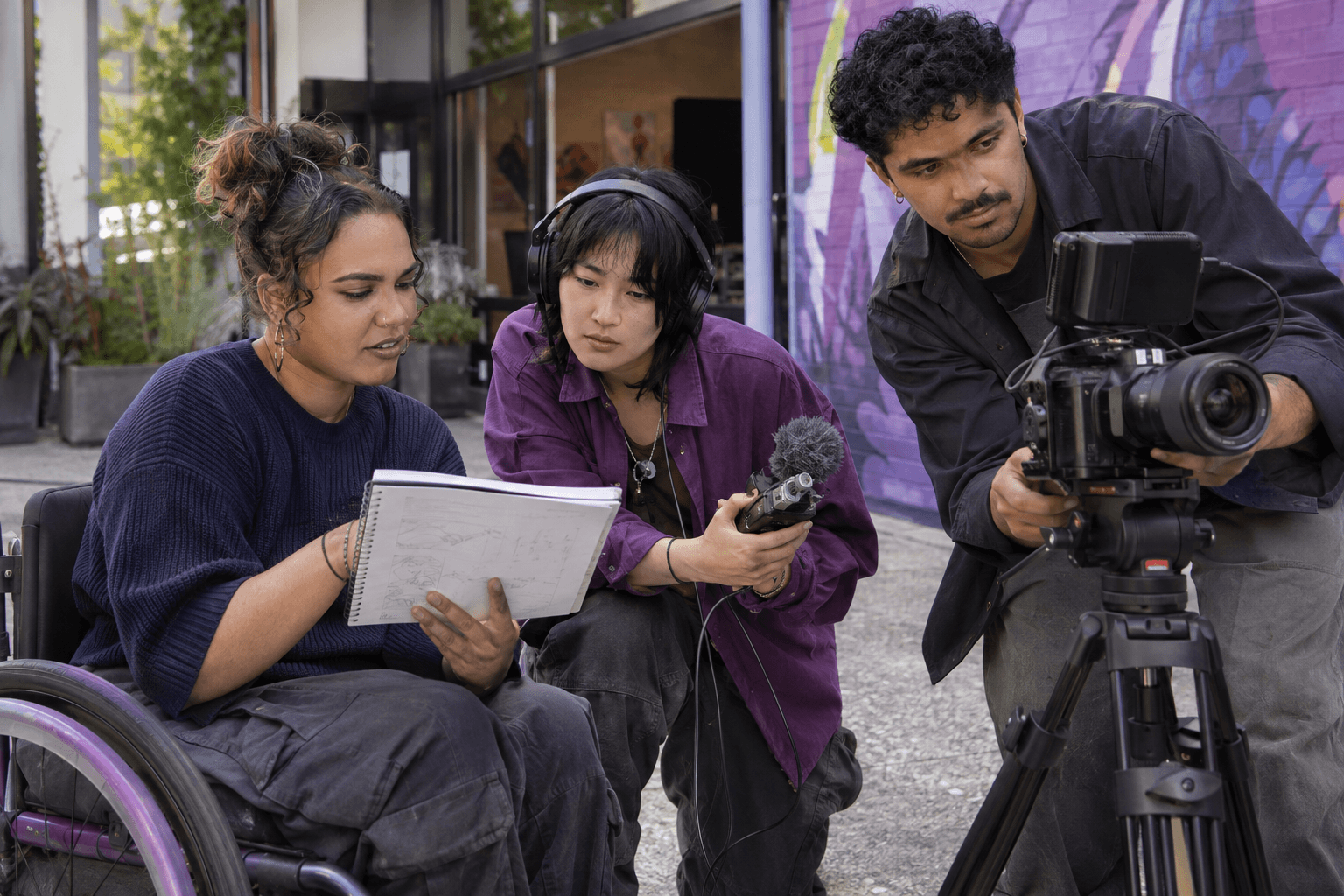
Participants shaped and told their own stories through storytelling, filming, video editing and collaborative media production — credited creative work, not just attendance.
Where choices are respected
Access was built in from the start — Easy Read materials, AAC-friendly prompts, Auslan interpretation and flexible ways to participate — so nobody had to request a separate accessible version of the program.
Fairly valued creative production
Fair value means paid fees, named credit and genuine creative control — not exposure. That is what Amplify Youth artists received for the work they produced.
From the workshops
This is what it looked like
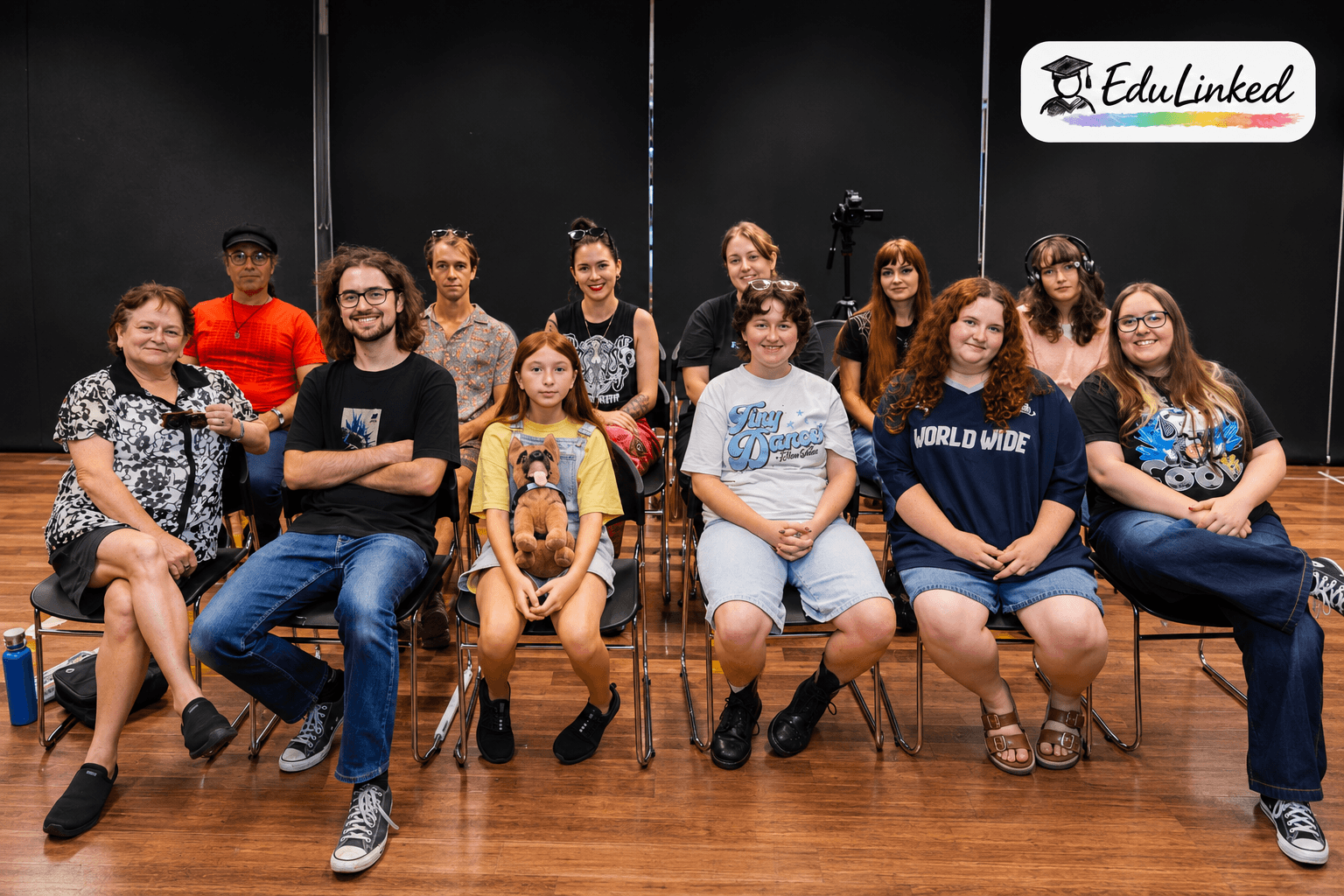
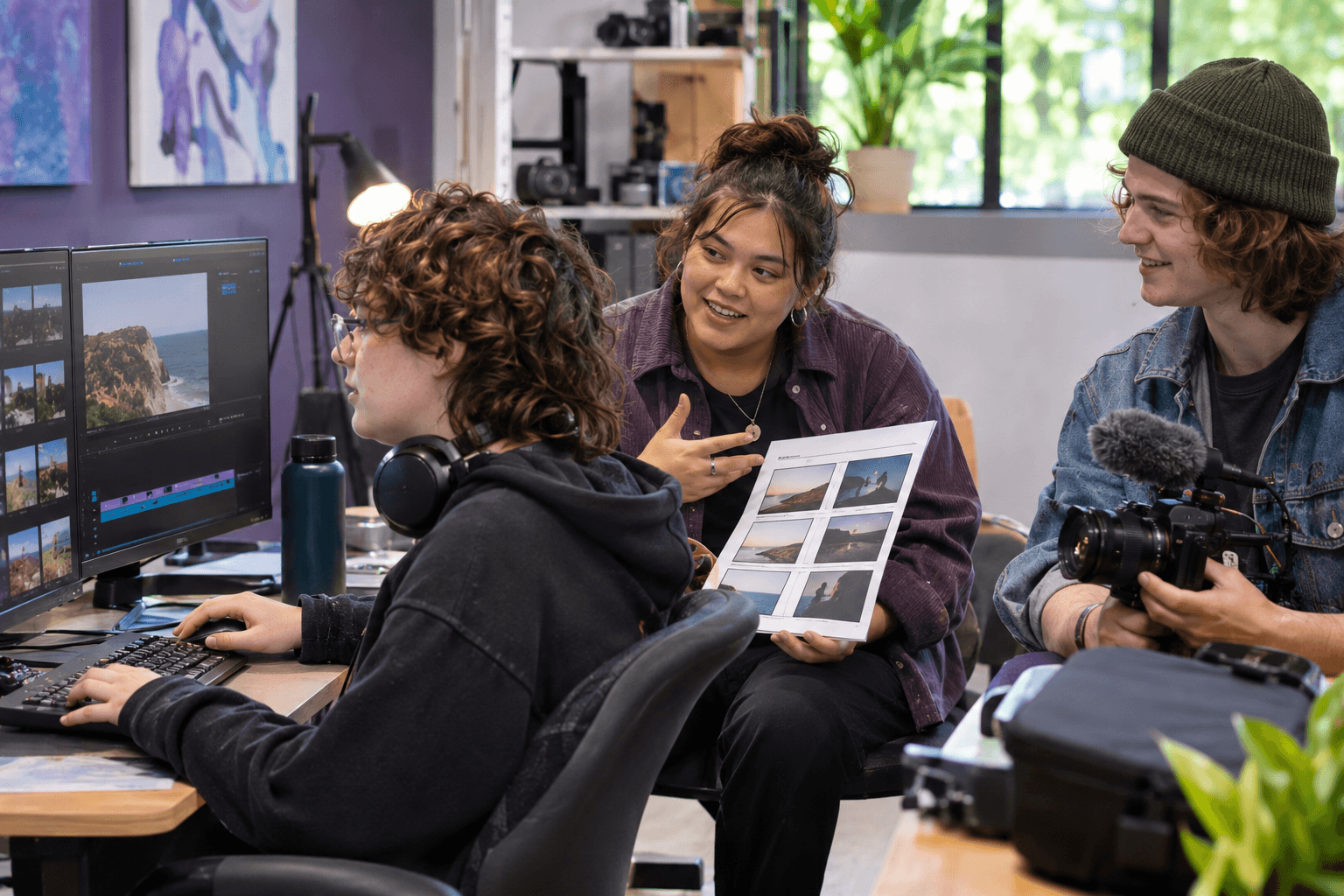
These are photographs from the actual Amplify Youth sessions — disabled and neurodivergent artists, support workers and partners learning, creating and producing media together.
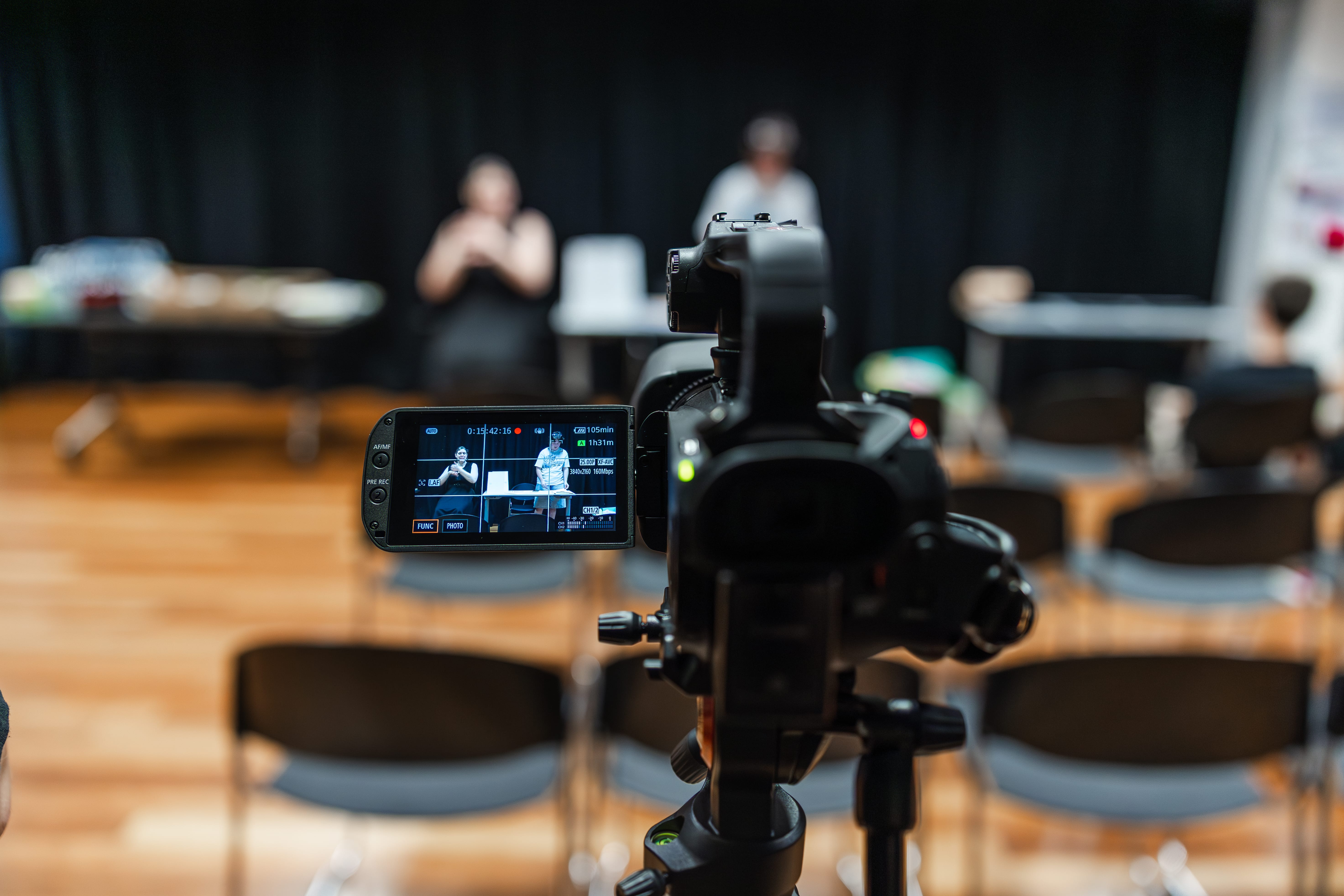
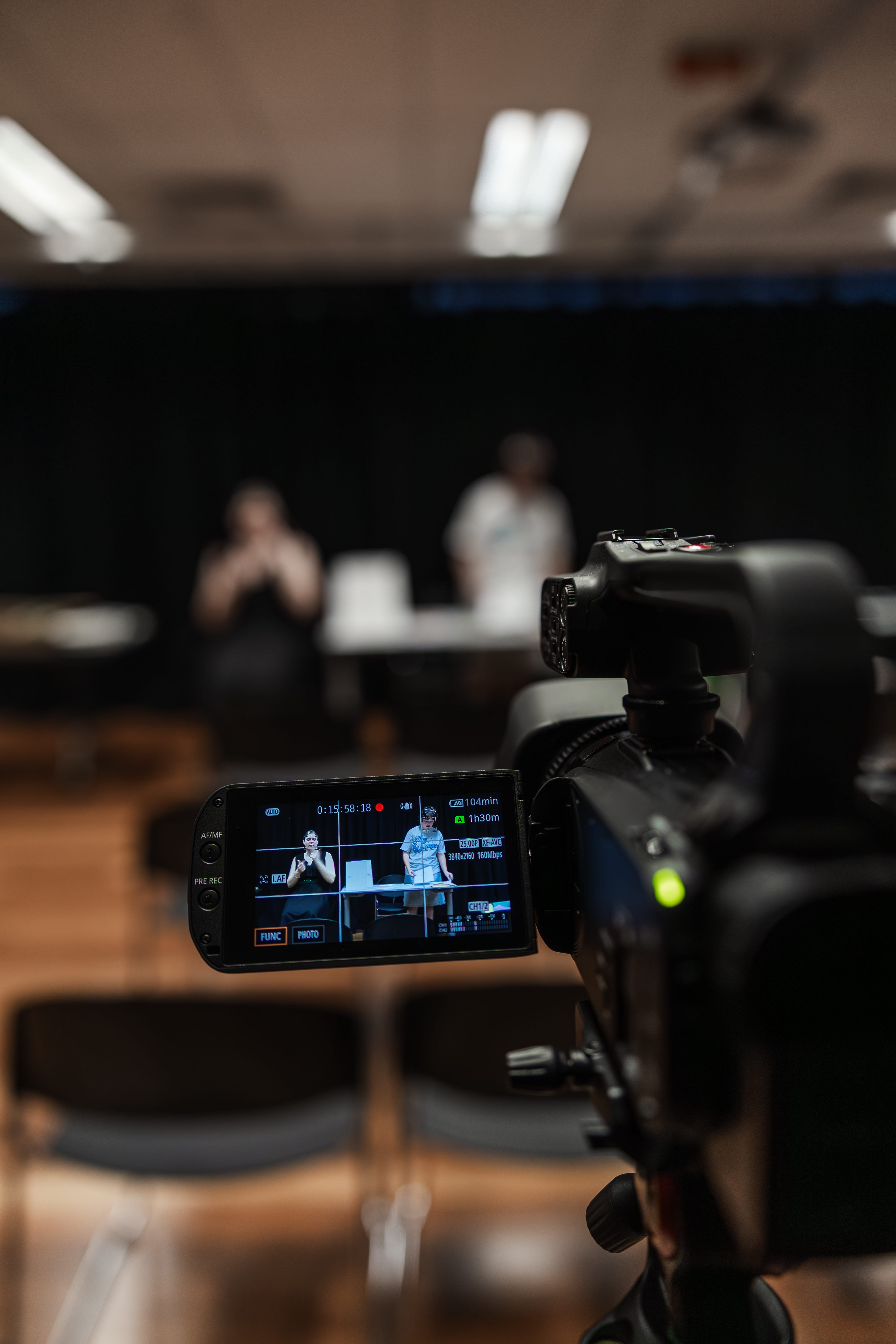
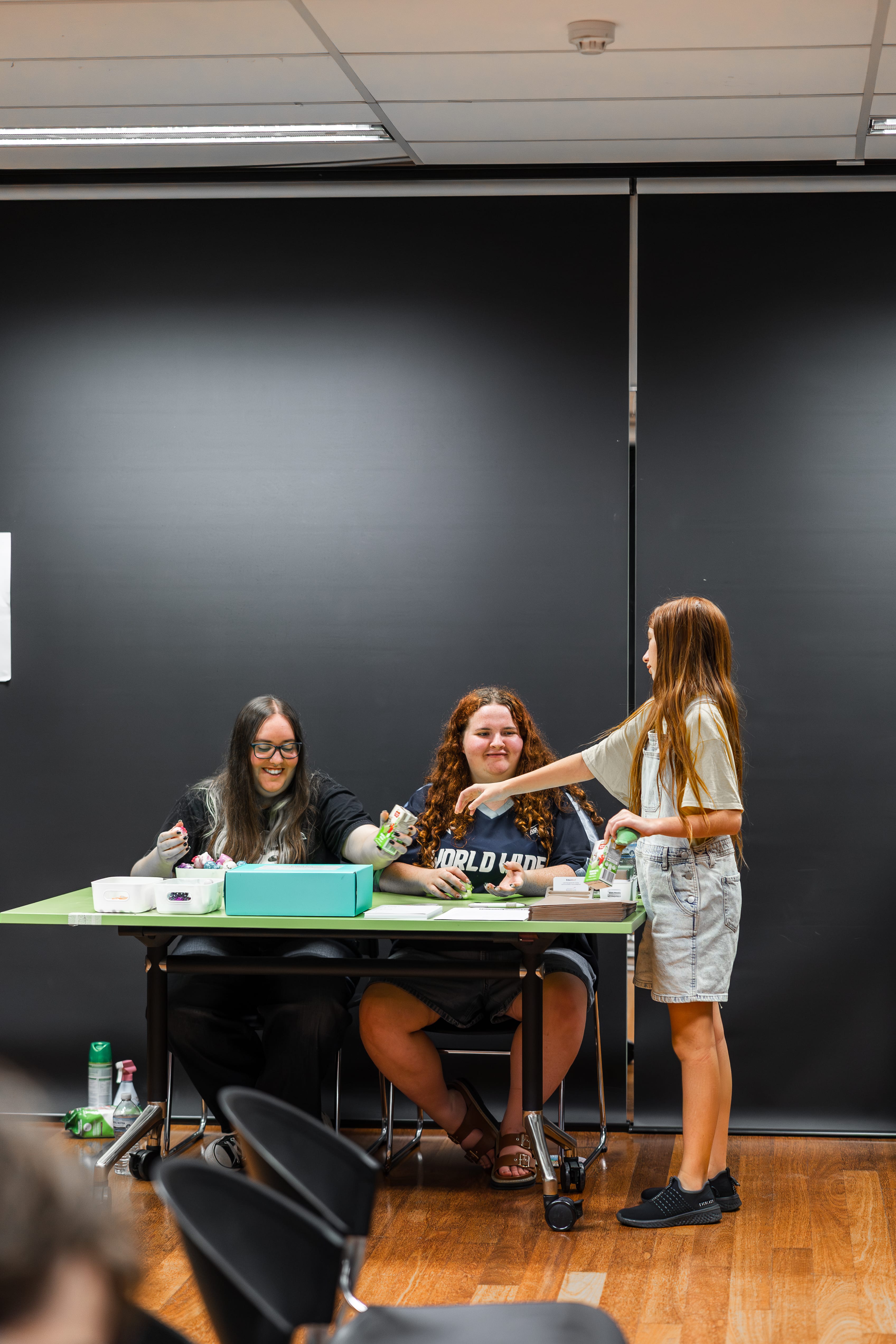
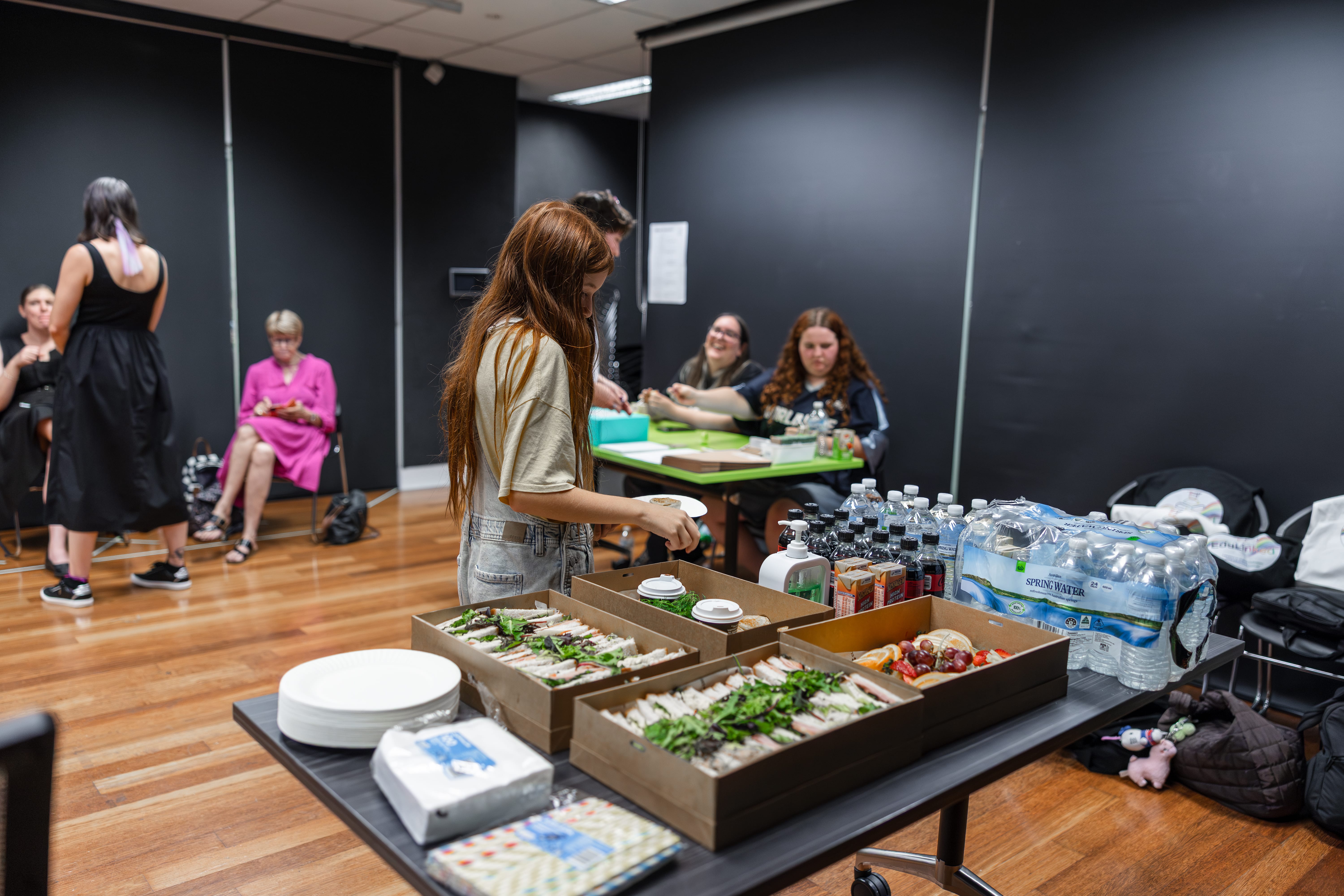

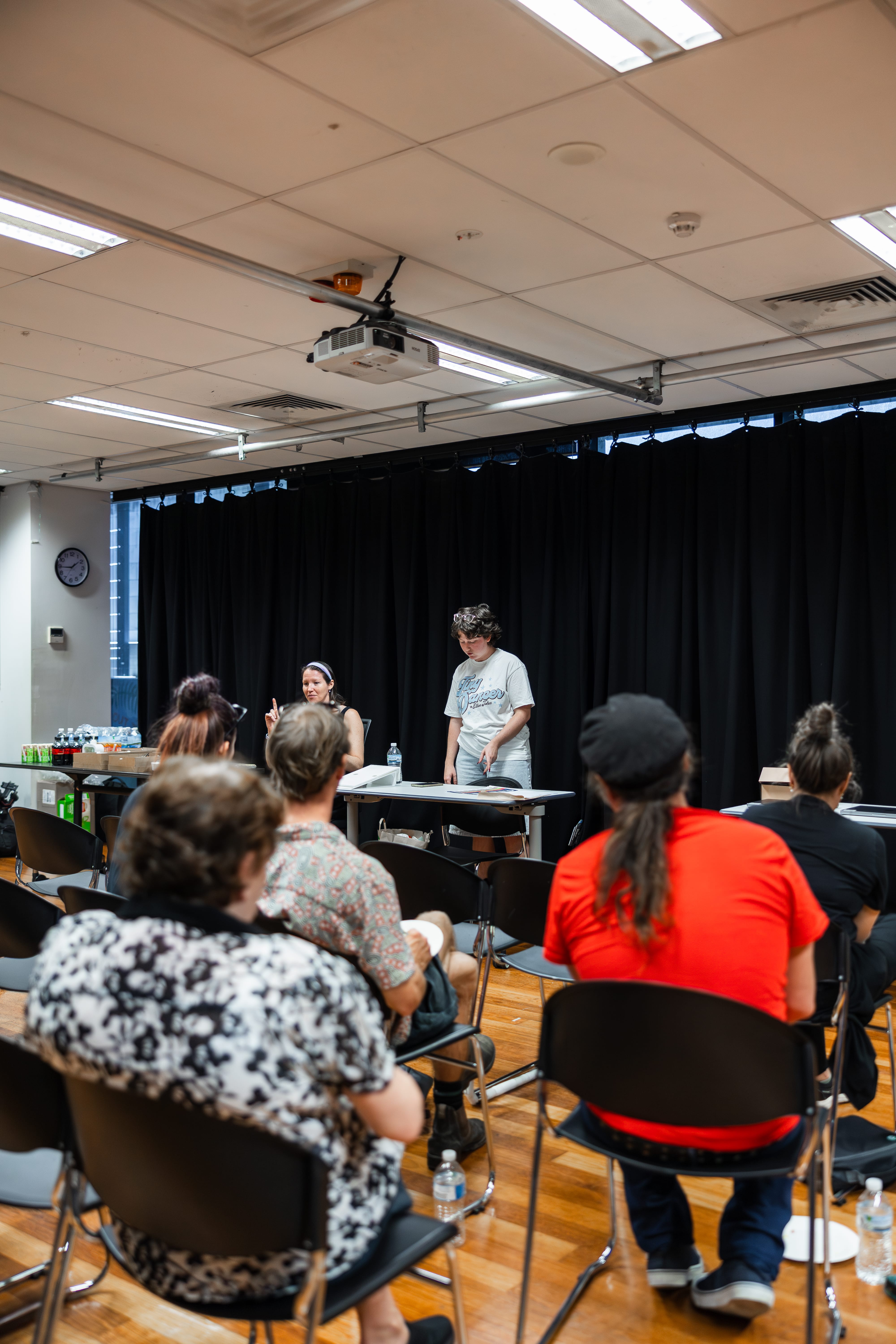
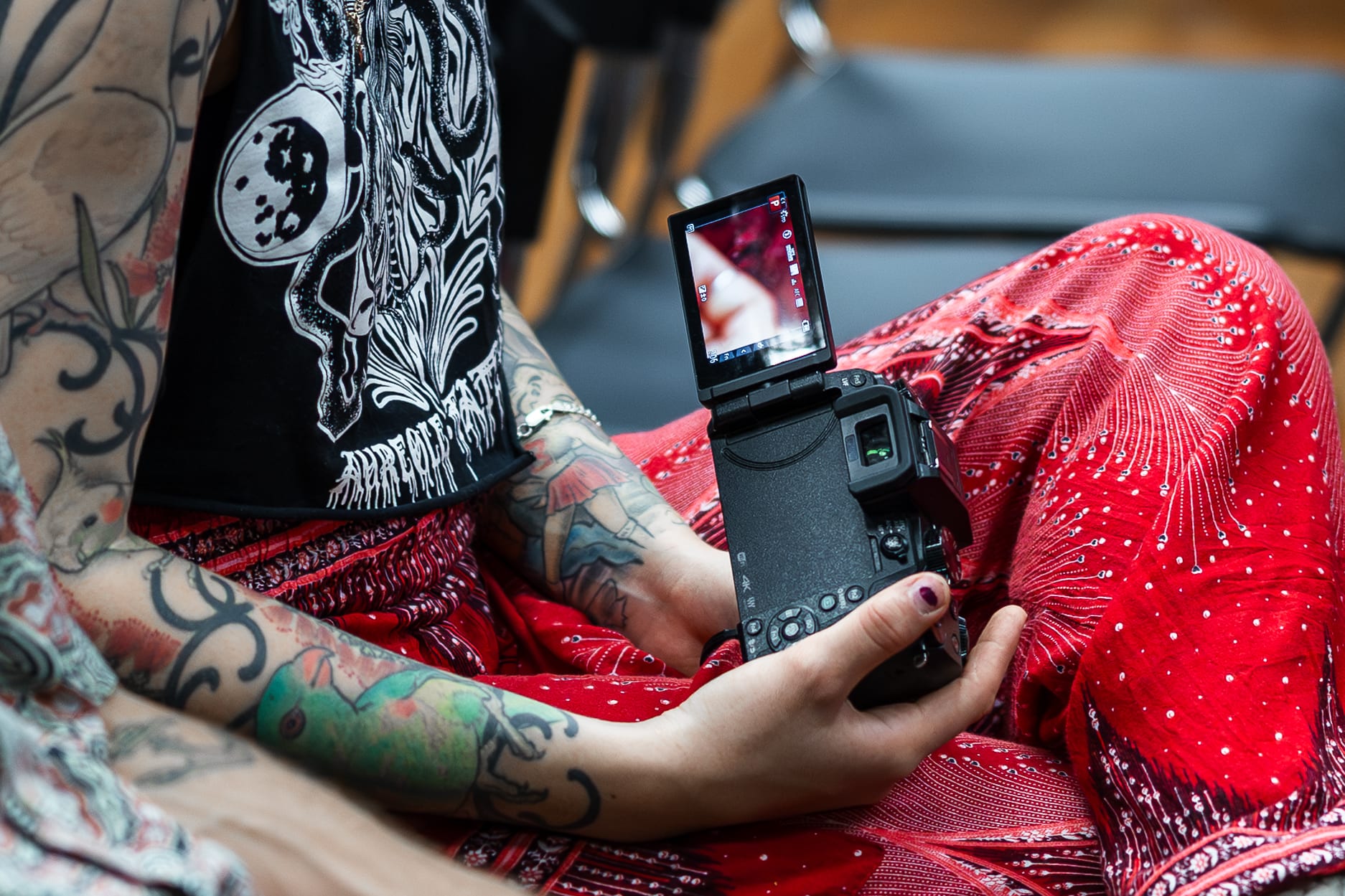
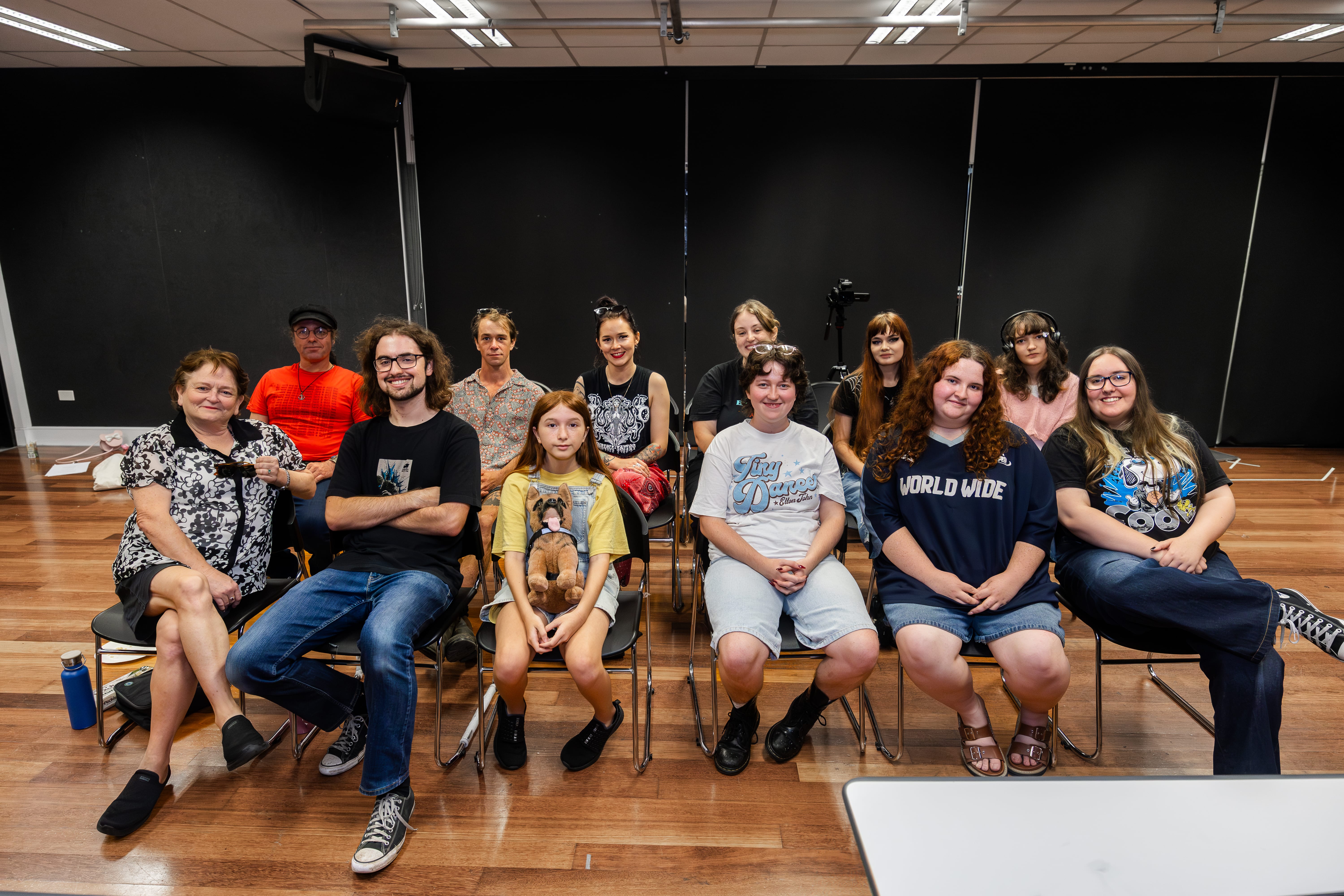
Photographs shared with participant consent. More photos are on the project gallery page.
Creative Employment
The paid roles we created
At one Amplify Youth event, the program created paid creative employment for local and emerging artists — turning participation into real paid roles, with fees paid and work credited. The figures below are from this single event.
 6
artists received paid work
 5
neurodivergent artists employed
 6
emerging artists employed
 6
local workers involved
 14
paid hours of work created
 $450
average artist fee
5 of the 6 paid artists were neurodivergent. Amplify Youth doesn't just welcome neurodivergent and disabled people into the room — it employs them, paying artists for their craft and creating paid roles in the local creative sector.
3 volunteers also gave their time to support Amplify Youth. Thank you!
Equal creative contribution
Every artist contributed to the finished work on equal terms — their ideas shaped the stories, their names went on the credits, and their craft was paid at the same standard as any professional engagement.
Impact at a Glance
The full picture, on the record
Beyond the paid roles, these figures record participation, community involvement and creative employment at one Amplify Youth event — not across all Amplify Youth events. They are shared transparently, including the smaller numbers.
 14
young people joined in
 4
adults joined in
families came along
community groups involved
people walked through the door
Kept as a separate recorded attendance measure.
 4
project partners joined us
Access Delivered in Practice
Accessibility built in, not bolted on
Accessibility was built into participation rather than requiring people to request a separate accessible version of the program.
Easy Read materials
AAC-friendly communication prompts

Caption and subtitle workflows
Flexible ways to participate
Auslan interpretation
Support workers welcomed

Low-bandwidth participation options

Quiet and regulation-aware approaches
Carer and access support
What Participants Learned
Practical creative and media skills
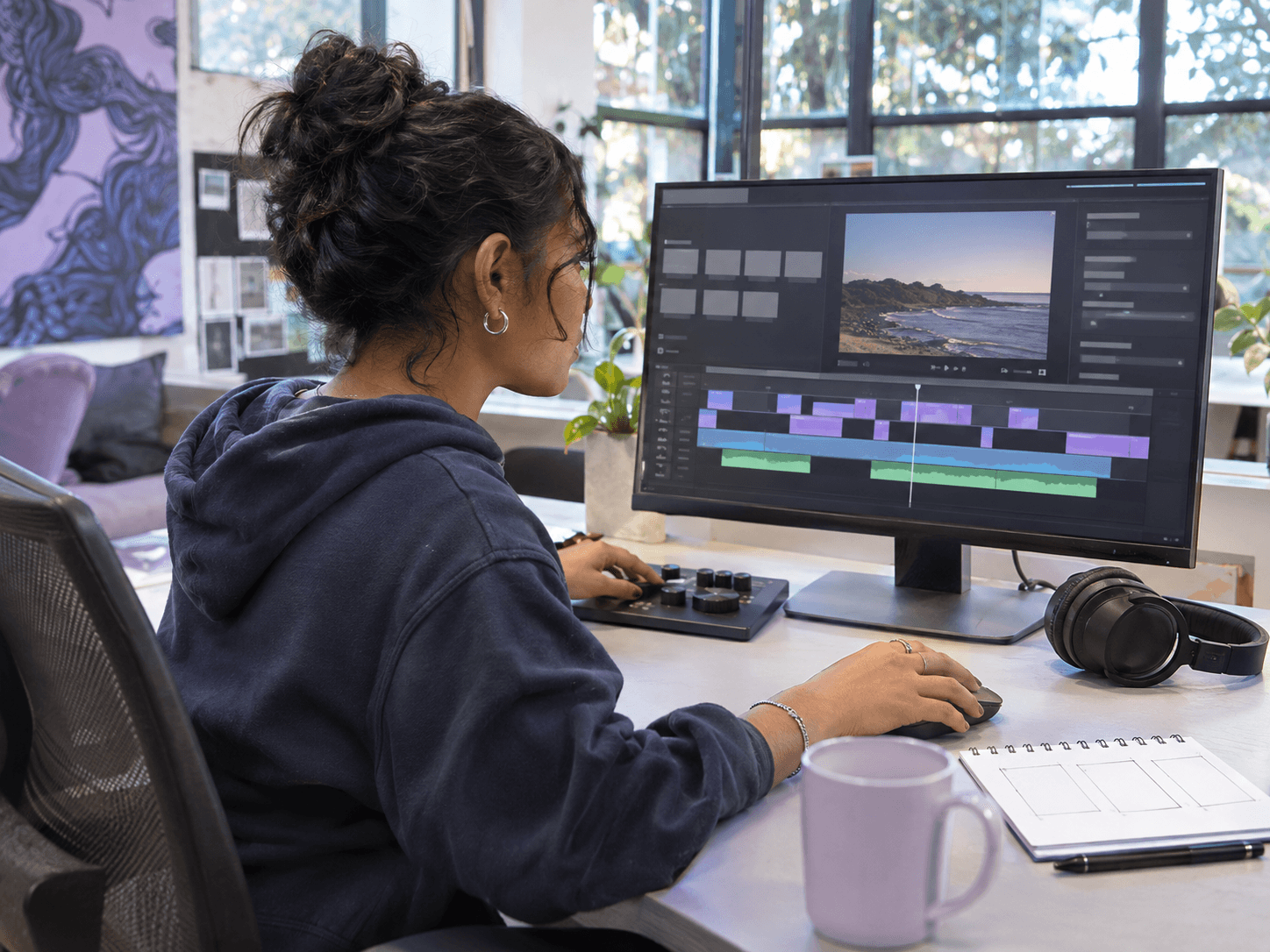
Participants developed practical experience in storytelling, filming, video editing and collaborative media production.

Storytelling
Filming

Video editing

Collaborative media production
Participants also worked with accessible production approaches including AAC prompting, caption-aware workflows and visual supports.
Skills that lead to economic opportunity
Video editing, filming and storytelling are employable skills. Amplify Youth participants didn't just try them — they were paid to use them on real productions.
EduLinked Teaching Materials
Teaching that shows, not just tells
Across our workshops and programmes, we teach with visual, Easy Read-style instruction materials — the same accessible approach used in Amplify Youth. These teaching images show the practical skills people build with us.

Choose how to communicate
You can choose how you communicate — speech, AAC, writing or devices. All are welcome.
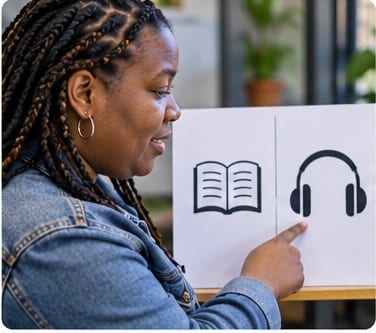
Choose your information format
Read it, hear it, or see it. Information comes in the format that works for you.
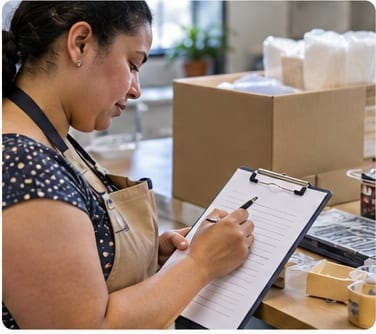
Practical workplace skills
We teach real workplace skills — like following a checklist — step by step, in plain language.
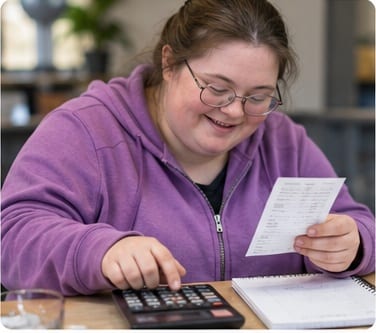
Money and everyday skills
Skills like checking costs and receipts build confidence for work and independent living.

Inclusive group discussion
People of different ages, experiences and backgrounds learn and contribute alongside one another.
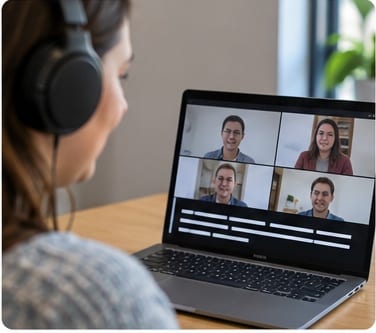
Live captions on by default
Captions aren't an extra request — they're built into how we meet, teach and produce media.

Skills get recognised
We record the skills people build, so learning turns into evidence for work and enterprise.
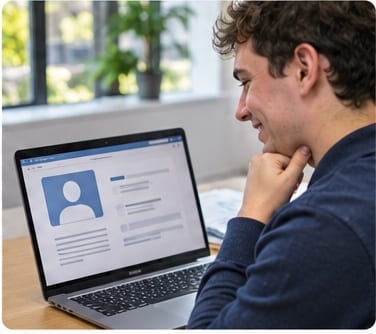
Pathways into employment
We help people present their skills professionally — profiles, portfolios and paid credits.
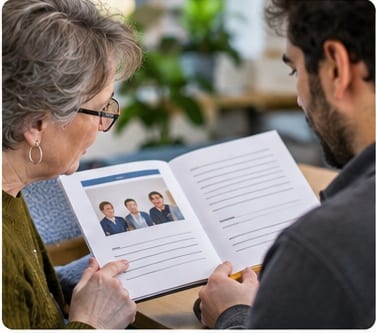
Support to review and decide
People review documents and make decisions with support — nothing is signed or agreed alone.
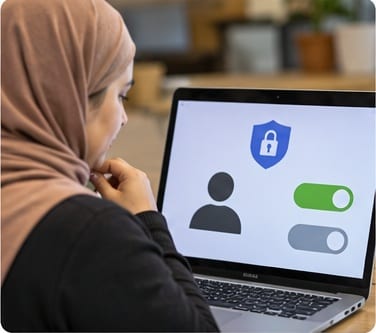
Choice and privacy
Participants control their own information, images and settings — consent is real, not assumed.

Breaks are part of learning
Taking a break is a supported choice, not a failure — regulation comes first at EduLinked.
Teaching materials from the EduLinked accessible learning system, used across Amplify Youth and our other programmes.
Learn more about EduLinked
Inclusion that keeps building economic opportunity
Amplify Youth is one program in a wider EduLinked ecosystem. Across our workshops and programmes, people of different ages, experiences and backgrounds learn, create, share knowledge and contribute alongside one another.
We work to connect people, professionals and organisations with opportunities that recognise what people can actually contribute — because inclusion should not end with a photograph, a certificate or a good-news story. It should end in paid work, credit and enterprise.
Paid opportunities for partners and contributors
We create paid roles for the disabled and neurodivergent people who contribute their skills, time and creativity to our programs.
Supporting disabled people to build their own enterprises
We back participants to develop their own creative enterprises, not only take part in ours.
Accessible pathways into learning, employment and participation
We design accessible pathways so learning and employment lead somewhere real — and the people involved have a genuine say in where it leads.
Inclusion should lead somewhere. Make it lead to paid work.
Be part of the next Amplify Youth story. Leave your name and email to hear about upcoming programs, paid creative opportunities and ways to partner with EduLinked.
Amplify Youth Impact & Outcomes
This section tells you the main ideas from the Amplify Youth page.
The big idea: inclusion should lead to paid work.
The numbers on this page are from one Amplify Youth event. They are not from all Amplify Youth events.
Easy Read uses short sentences, clear words, and pictures or symbols to help explain information.
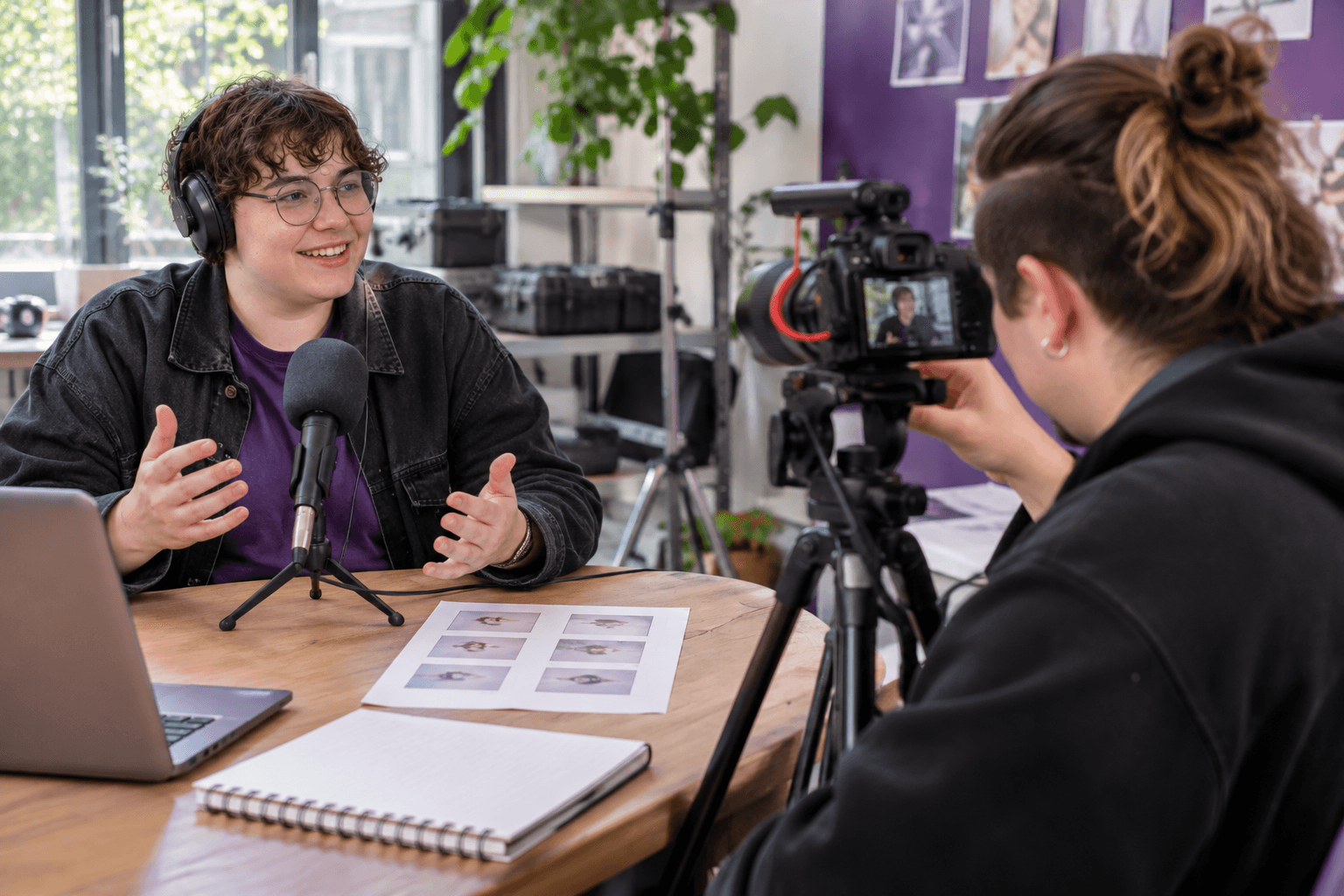
What Amplify Youth does
Amplify Youth helps young people tell their stories.
People learn media and creative skills.
Everyone can take part in a way that works for them.
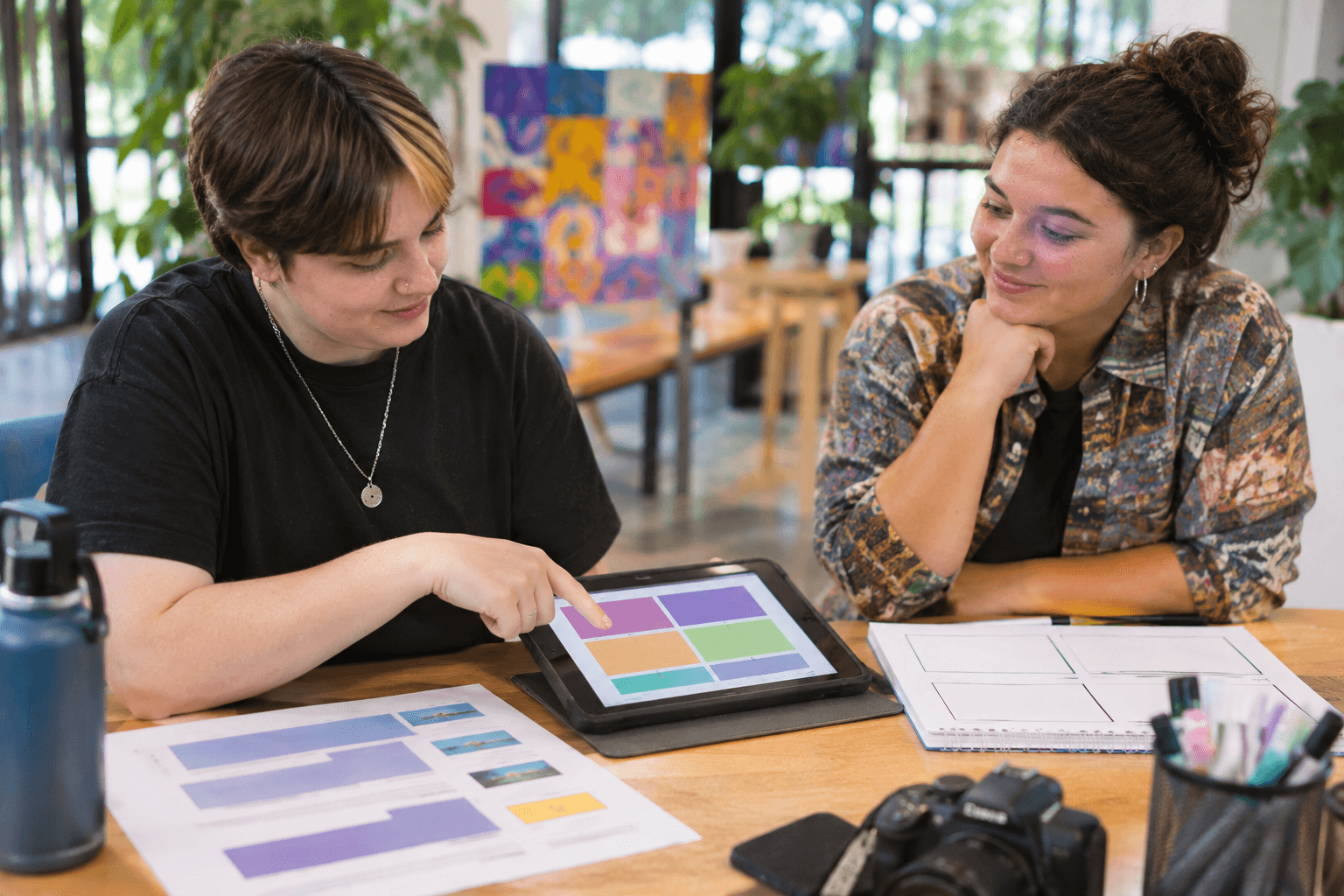
You can choose how to take part
There are many ways to join in.
You can use pictures, a tablet, writing, or your voice.
You can say yes or no.
You can take a break when you need one.
Your choice matters.

Artists got paid work
These numbers are from one Amplify Youth event. They are not from all events.
Amplify Youth paid artists for their work at this event.
6 artists got paid work at this event.
5 of the paid artists are neurodivergent.
Artists were paid $450 on average.
The work went to local and emerging artists.
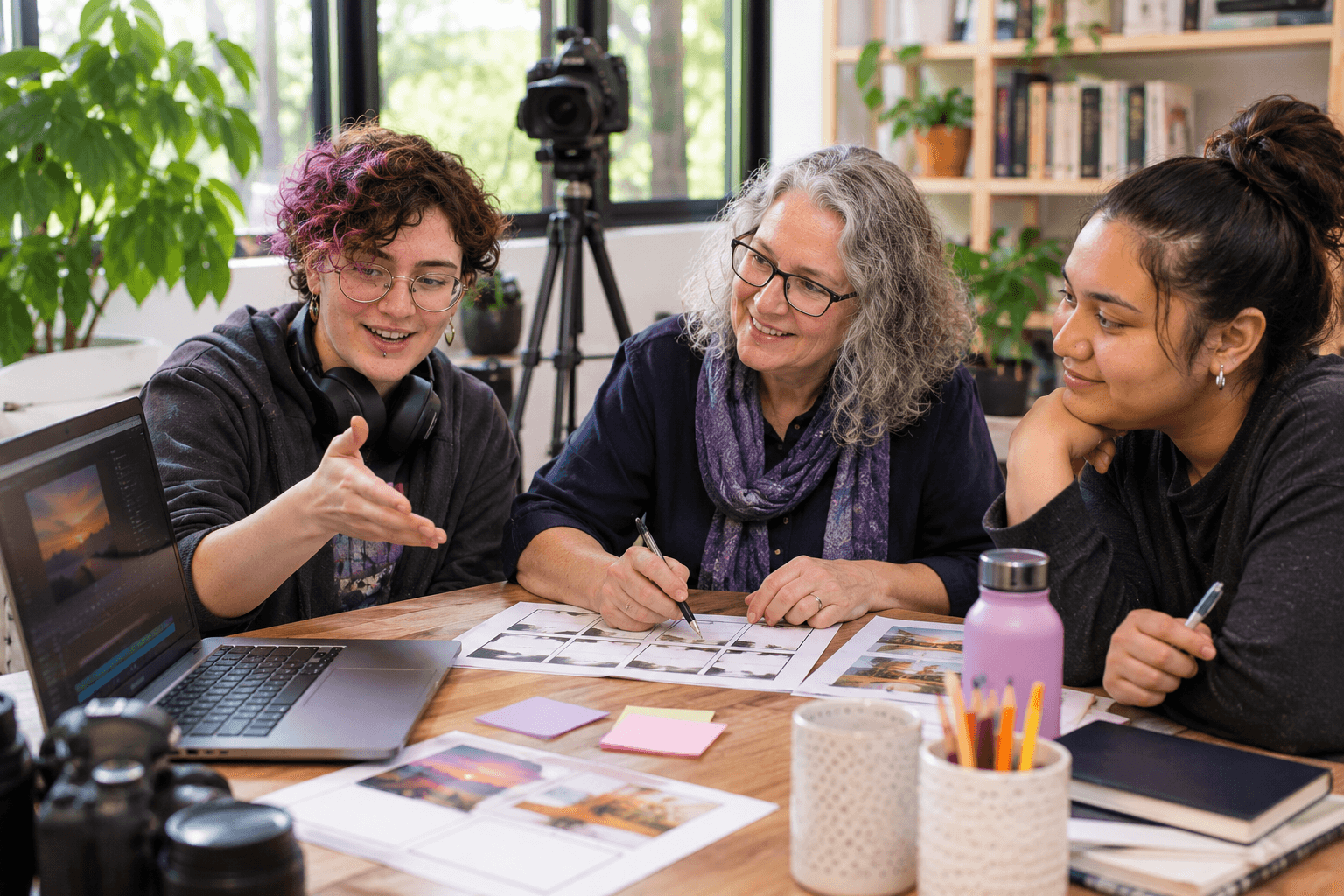
Who joined in
These numbers are from the same one event.
20 people took part at this event.
14 young people joined in.
4 adults joined in.
3 families came along.
4 community groups were involved.
What people learned
People learned new skills:
- storytelling
- filming
- video editing
- working together to make media
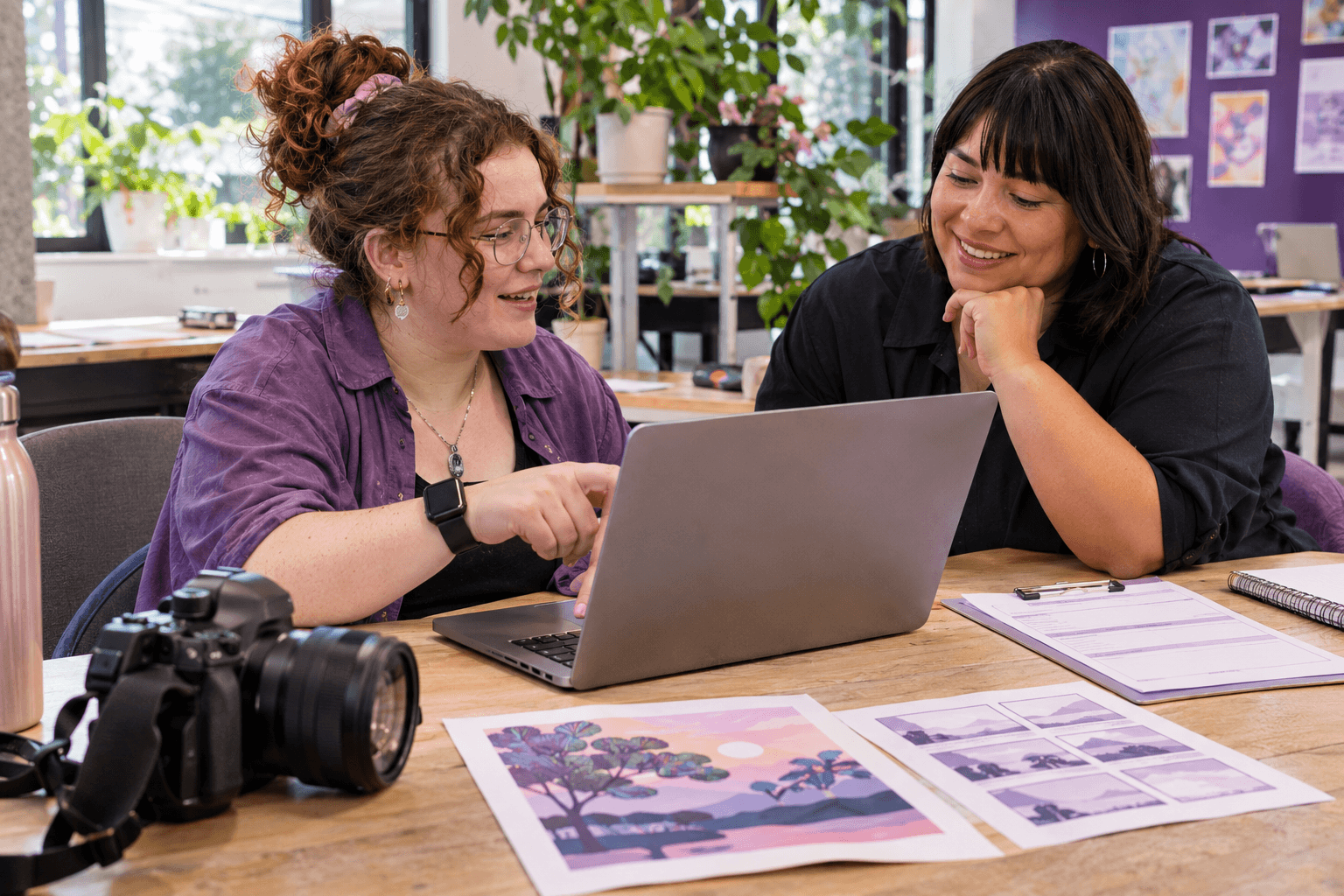
What you can do next
You can join the next Amplify Youth event.
You can partner with Amplify Youth.
You can ask for information in another format.
You can ask for help
You can ask for support to use this website.
Symbols used on this page
This means something you can do.
This means you can ask for support.